
Volkswagen Flags 50,000 More Job Cuts as Board Approves Turnaround Plan
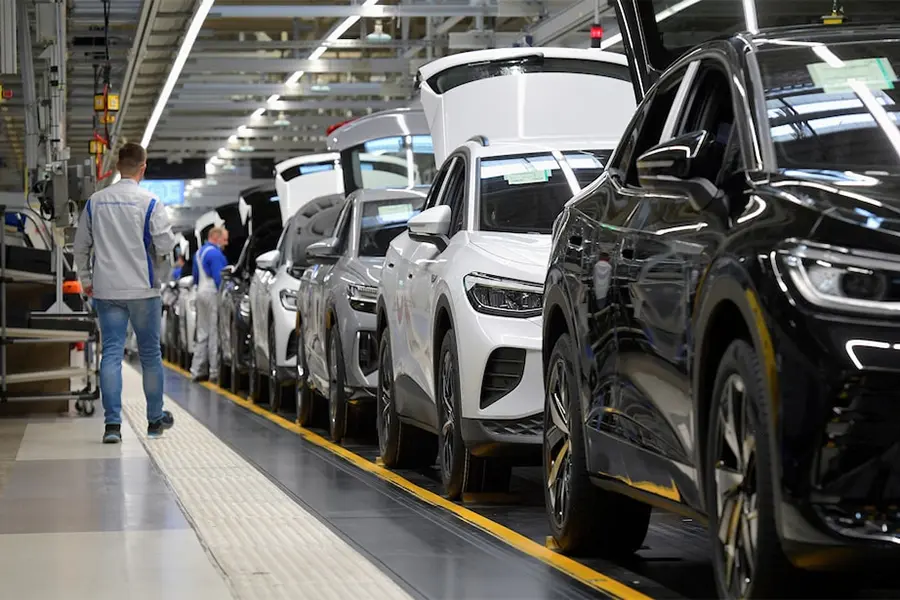
Volkswagen is planning to eliminate around 50,000 additional jobs worldwide as part of a sweeping restructuring aimed at strengthening the German automotive group amid growing pressure on its global business.
The company’s supervisory board approved the transformation programme on Thursday, setting in motion what is described as the most extensive restructuring in Volkswagen’s 89-year history.
The planned workforce reduction would be in addition to about 50,000 job cuts already under way.
Volkswagen said a further fundamental adjustment of its global workforce capacity was necessary but did not provide a timetable for the new reductions or specify how the cuts would be divided among its brands and regions.
The restructuring comes as Volkswagen faces several challenges, including US import tariffs, excess production capacity and increasingly strong competition from Chinese automakers.
Its once highly profitable Chinese operations have also weakened substantially. Profits from Volkswagen’s businesses and joint ventures in China have fallen by more than 80 percent over the past decade.
The approved "Future Plan" also includes examining alternatives for four German plants that are expected to run out of allocated models during the next decade.
Industry analyst Ferdinand Dudenhoeffer identified the plants as Emden, Zwickau, Neckarsulm and Hannover, with model production expected to be phased out at different points from 2031 onward.
Discussions over the future of those facilities are expected to continue in the coming months.
The agreement follows weeks of difficult negotiations involving Volkswagen management, majority owner Porsche SE, trade unions and the German state of Lower Saxony.
It also reduces the immediate prospect of an extraordinary general meeting that management had considered as a possible way to advance restructuring measures amid opposition.
Under the plan, Volkswagen intends to simplify its conglomerate structure and alter how some major decisions are handled within the group.
CEO Oliver Blume described the agreement as an important signal for Volkswagen’s future and said the group was taking responsibility for its workforce, partners and industrial employment worldwide.
Investors reacted positively to the announcement. Volkswagen shares listed in Frankfurt closed 7.9 percent higher following the news.
Dudenhoeffer said the agreement had reduced immediate tensions surrounding the company but described the situation as closer to a ceasefire than a lasting settlement.
Volkswagen now faces the challenge of implementing one of the largest transformations in its history while protecting competitiveness in Europe, China and other major automotive markets.
